Home

Category

Travel History & Insight

24 articles

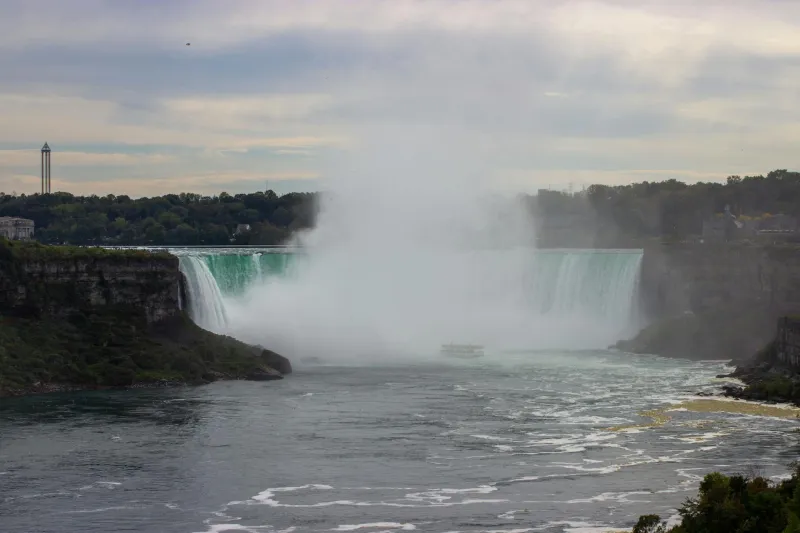
When a Waterfall Became a Wedding Machine: The Industrial Romance of Niagara Falls

When a Waterfall Became a Wedding Machine: The Industrial Romance of Niagara Falls

For over a century, Niagara Falls operated as America's first mass-market honeymoon destination, transforming a geological wonder into an assembly line for marital expectations. The rise and fall of this industrial romance reveals the precise mechanics by which ordinary places become sacred spaces—and how they lose that magic when the formula becomes too visible.

The Economics of Welcome: Why American Towns That Feed Strangers Still Win

The Economics of Welcome: Why American Towns That Feed Strangers Still Win

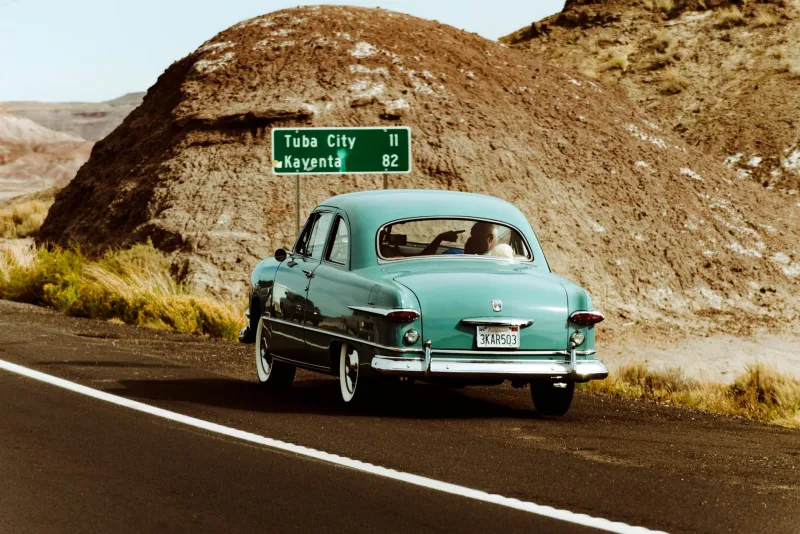
The death of genuine roadside hospitality in America wasn't just the loss of charm — it was the abandonment of a proven economic strategy that successful civilizations have employed for millennia. Today's thriving tourism destinations are quietly rebuilding what their ancestors understood instinctively.

Prescribed Leisure: How American Medicine Created the Luxury of Sanctioned Rest

Prescribed Leisure: How American Medicine Created the Luxury of Sanctioned Rest

Victorian-era physicians transformed nervous exhaustion into a profitable prescription, creating America's first wellness industry around the radical idea that the wealthy needed medical permission to stop working. The mineral springs and mountain retreats they prescribed became the blueprint for every modern spa weekend and wellness retreat.

Premium Romance: How America's Hotels Trained Us to Buy Love by the Night

Premium Romance: How America's Hotels Trained Us to Buy Love by the Night

For centuries, newlyweds made do with borrowed beds and shared rooms. Then American hotels discovered they could package intimacy as a luxury product, creating demand for something that never existed before. The psychology of manufactured romance reveals how we learned to equate spending with caring.

The Architecture of Overwhelm: Why Every Civilization Builds an Exit Door

The Architecture of Overwhelm: Why Every Civilization Builds an Exit Door

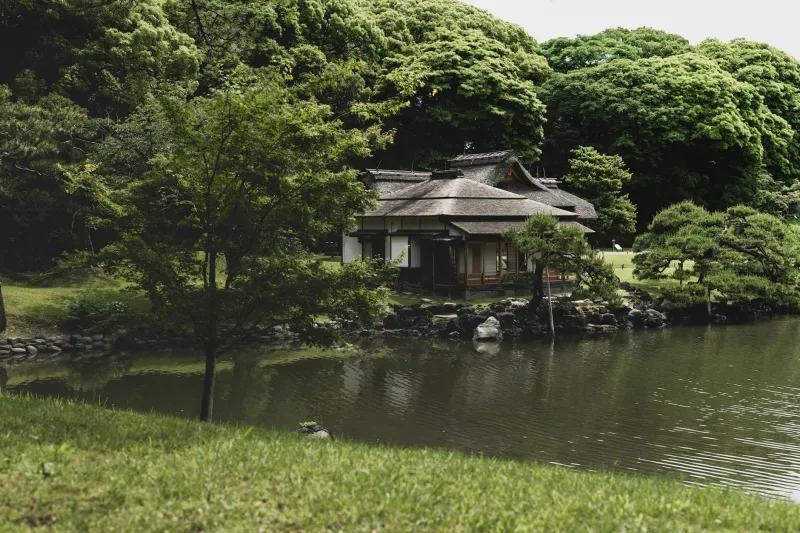
From Japanese forest bathing pavilions to Thoreau's Walden cabin, humans have consistently engineered physical spaces to process psychological pressure. Understanding this four-thousand-year pattern reveals exactly what modern travelers should seek when the world becomes too much.

The Psychology of Escape: What Roman Elites Understood About Mental Recovery That We're Still Learning

The Psychology of Escape: What Roman Elites Understood About Mental Recovery That We're Still Learning

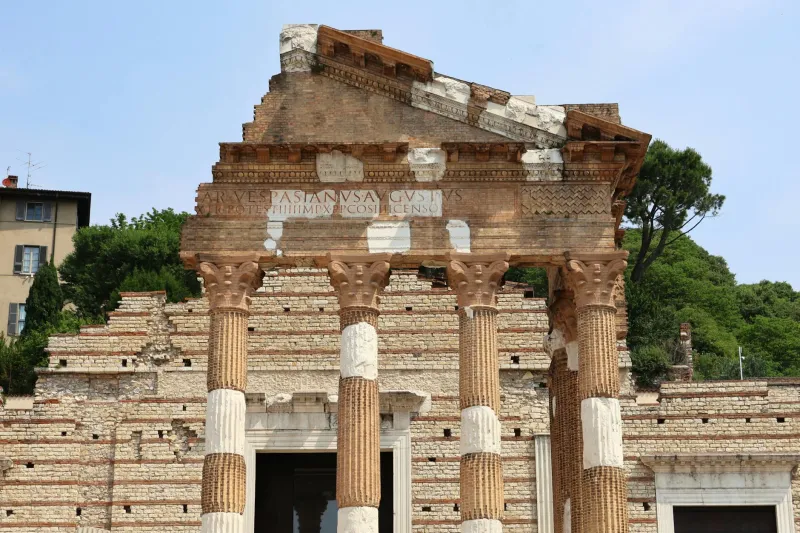
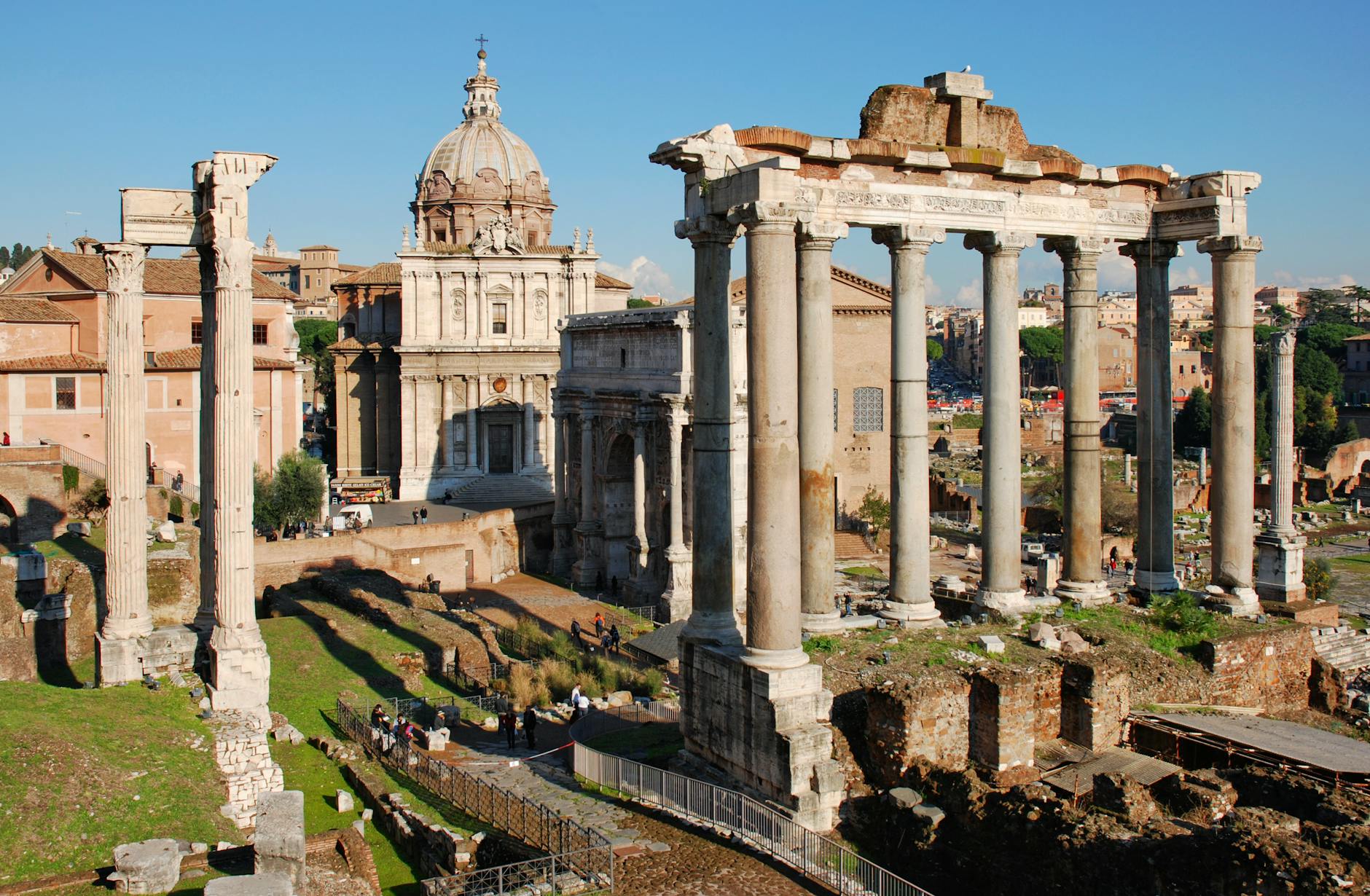
Two millennia before neuroscience validated the restorative power of environment change, Roman aristocrats built an entire culture around 'otium' — the deliberate pursuit of mental refreshment through strategic withdrawal. Their systematic approach to cognitive maintenance reveals why our modern 'digital detox' industry exists and why Americans spend billions trying to rediscover what Romans considered basic human maintenance.

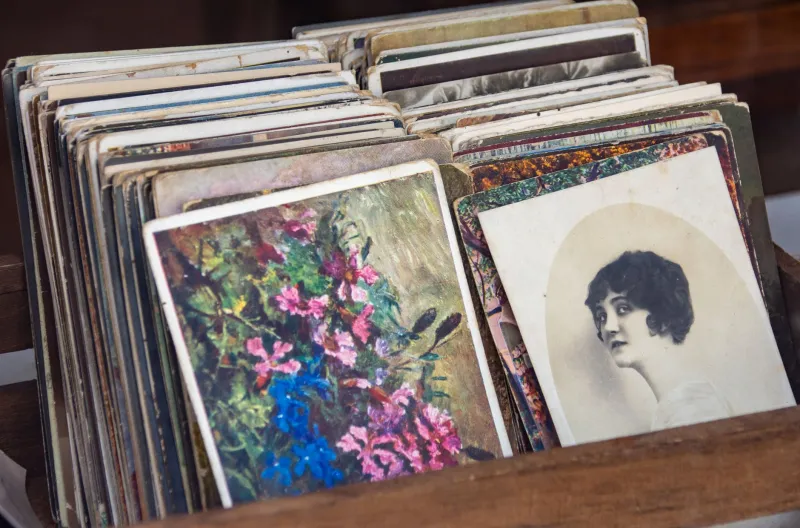
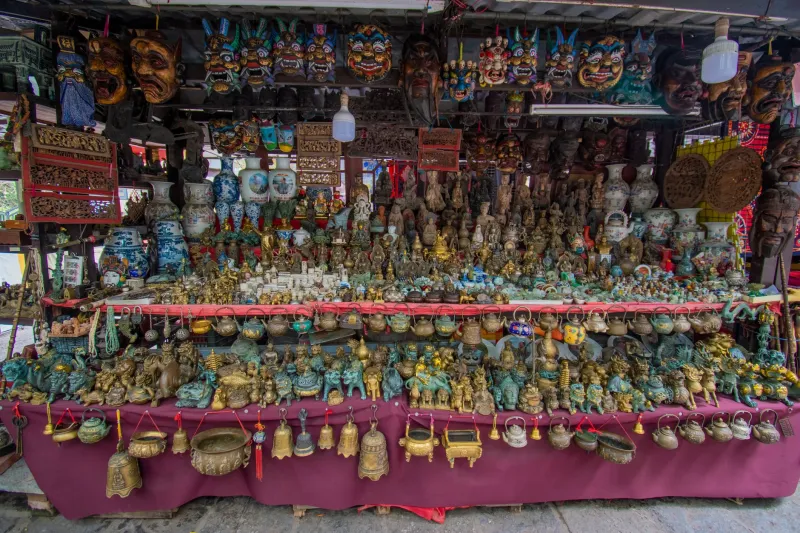
The Weight of Proof: Why Humans Have Always Needed Objects to Make Travel Real

The Weight of Proof: Why Humans Have Always Needed Objects to Make Travel Real

From ancient Roman tourists defacing monuments to modern travelers hoarding airport trinkets, the compulsion to collect physical proof of our journeys reveals an unchanging truth about human psychology. The souvenir was never about the place—it was always about making the intangible experience of travel into something others could see and understand.

Doctor's Orders: How Medical Necessity Taught Americans to Buy Peace of Mind

Doctor's Orders: How Medical Necessity Taught Americans to Buy Peace of Mind

The Adirondack 'cure cottages' and Colorado sanatoriums of the 1880s created the template for every wellness retreat Americans have purchased since. What began as desperate flights from tuberculosis became the blueprint for convincing healthy people they needed expert supervision to rest.

Bedbugs, Bad Wine, and Rude Innkeepers: Roman Travelers Wrote Your TripAdvisor Reviews Two Thousand Years Ago

Bedbugs, Bad Wine, and Rude Innkeepers: Roman Travelers Wrote Your TripAdvisor Reviews Two Thousand Years Ago

The grievances of Roman travelers — scrawled on walls, pressed into letters, and preserved across two millennia — read with uncanny familiarity to anyone who has ever rage-typed a hotel review at midnight. From Horace's sardonic road diary to the insults scratched into Pompeii's plaster, the evidence is overwhelming: the anxieties of being far from home have not changed in five thousand years of recorded human experience.

Two Thousand Years of the Same Swindle: What Roman Travel Complaints Teach Us About Protecting Ourselves Today

Two Thousand Years of the Same Swindle: What Roman Travel Complaints Teach Us About Protecting Ourselves Today

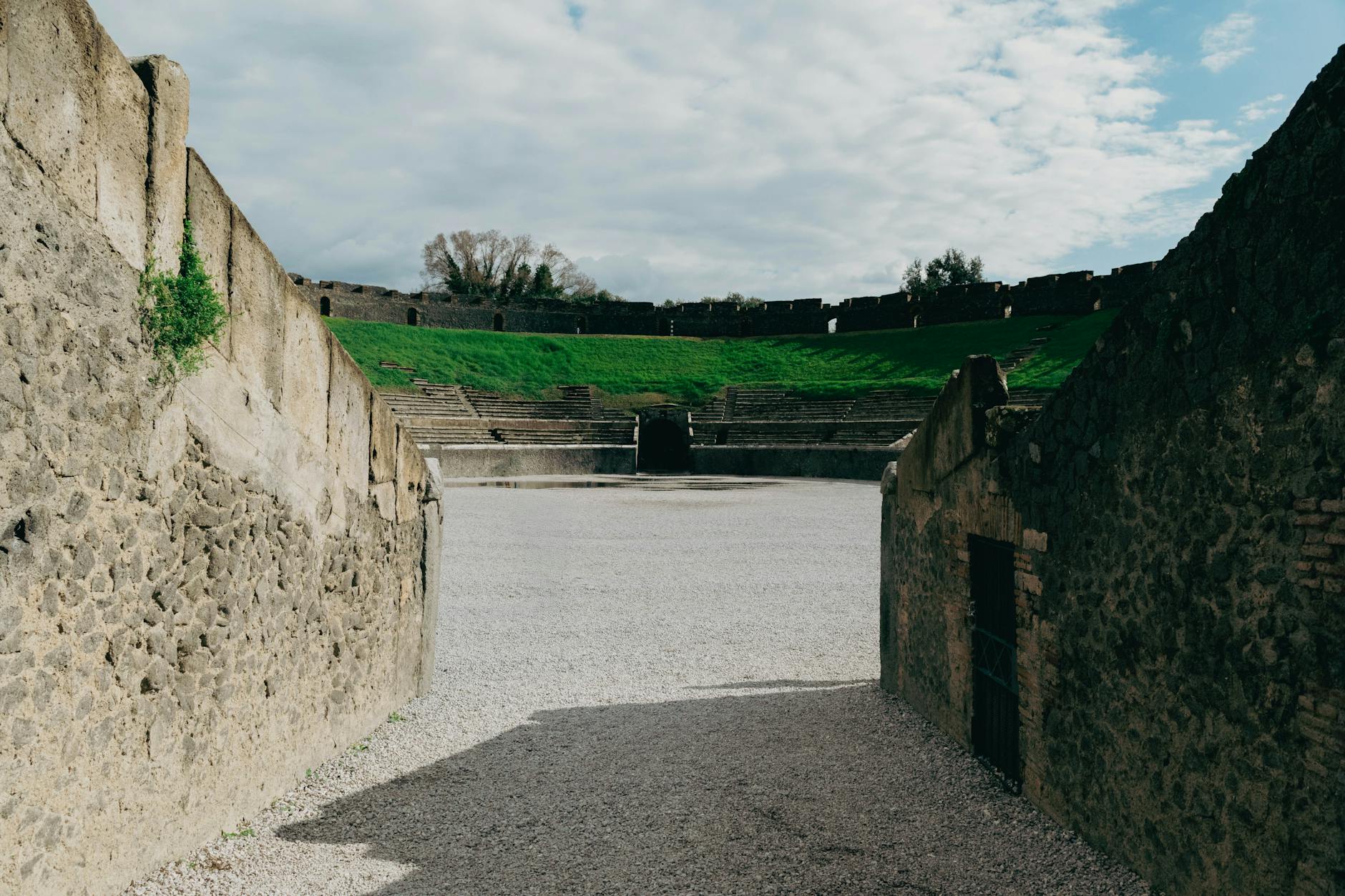
The graffiti scratched into Pompeii's walls and the careful observations recorded by ancient travel writers reveal something uncomfortable: the hustles that drain modern tourists' wallets are not new inventions. Human opportunism has operated on a remarkably consistent script for millennia, and the travelers who left records of it did us the favor of writing the countermeasures down.
Seneca Was Complaining About Tourists Before You Were Born — And He Was Right

Seneca Was Complaining About Tourists Before You Were Born — And He Was Right

Ancient Roman writers documented the same overcrowded resorts, dishonest innkeepers, and overhyped destinations that fill modern review platforms today. The psychology of the disappointed traveler has not changed in two thousand years — and understanding that fact is the most practical travel tool you will ever acquire.